

There’s a certain kind of exhaustion that sleep doesn’t fix.
It’s the kind that lingers in your body…
The constant mental tabs open.
The subtle tension in your shoulders.
The feeling of always being “on.”
More often than not, that feeling is tied to one thing: elevated cortisol — your body’s primary stress hormone.
And while we can’t completely eliminate stress (especially as women, mothers, and founders balancing so much), we cansupport our bodies in how we respond to it.
That’s where the cortisol-reducing diet comes in — not as another restrictive plan, but as a way of eating that gently brings your body back into balance.
What Is Cortisol (And Why It Matters)
Cortisol is not the enemy.
It’s actually essential. Your body releases cortisol to:
- Wake you up in the morning
- Help regulate blood sugar
- Support metabolism
- Respond to stress
But when cortisol stays chronically elevated, it can lead to:
- Weight gain (especially around the stomach)
- Hormonal imbalances
- Fatigue and burnout
- Anxiety or irritability
- Poor sleep
The goal isn’t to eliminate cortisol — it’s to regulate it.
What Is a Cortisol-Reducing Diet?
A cortisol-reducing diet focuses on stabilizing blood sugar, nourishing your nervous system, and reducing internal stress triggers.
Think of it as:
Eating in a way that tells your body: you are safe, supported, and not in survival mode.
It’s less about restriction… and more about rhythm.
The Foundation: How to Eat for Lower Cortisol
1. Prioritize Blood Sugar Balance
One of the biggest hidden stressors on the body is unstable blood sugar.
When your blood sugar spikes and crashes, your body releases cortisol to compensate.
What this looks like in real life:
- Pair carbs with protein and healthy fats
- Avoid skipping meals (especially breakfast)
- Eat every 3–4 hours
Example:
Instead of just toast → try toast with eggs and avocado
2. Start Your Morning Gently (and Nourishingly)
Coffee on an empty stomach may feel productive… but it can spike cortisol quickly.
Instead:
- Eat within 60–90 minutes of waking
- Choose a protein-rich breakfast
- Have coffee after food
Soft morning ideas:
- Eggs + sourdough + fruit
- Greek yogurt + berries + honey
- Protein smoothie with nut butter
3. Choose Nutrient-Dense, Whole Foods
Certain nutrients are especially supportive for stress regulation:
- Magnesium (calms the nervous system)
- Vitamin C (supports adrenal health)
- B vitamins (energy + stress resilience)
- Omega-3s (reduce inflammation)
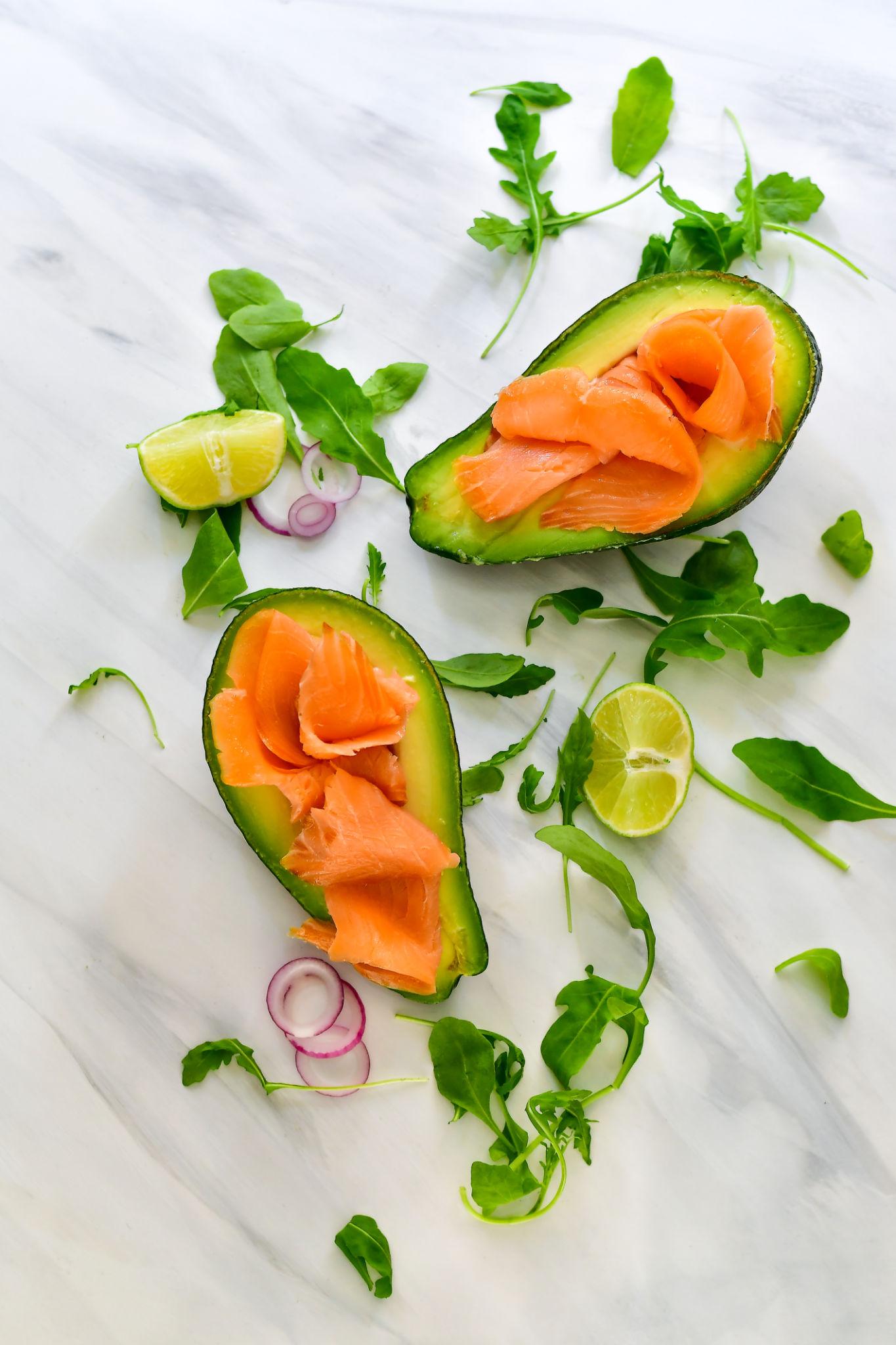
Foods to lean into:
- Leafy greens (spinach, arugula)
- Berries
- Avocados
- Salmon
- Sweet potatoes
- Nuts and seeds
A Visual Guide to Cortisol-Supportive Foods
4. Reduce Hidden Stress Triggers (Without Extremes)
You don’t need to eliminate everything — just become more aware.
Common cortisol triggers:
- Excess caffeine
- High sugar intake
- Highly processed foods
- Alcohol (especially in excess)
A more balanced approach:
- Swap, don’t restrict
- Upgrade ingredients slowly
- Focus on consistency over perfection
5. Support Your Nervous System Through Food + Lifestyle
Food is only part of the picture.
To truly lower cortisol, your lifestyle matters just as much.
Simple, realistic shifts:
- Walk daily (even 10–15 minutes)
- Get morning sunlight
- Prioritize sleep rhythms
- Incorporate quiet moments (prayer, journaling, stillness)
For you, this could look like:
A quiet morning with your Bible, a warm breakfast, and no rush.
That alone can shift your entire hormonal response for the day.
What a Cortisol-Balanced Day Could Look Like
Morning
- Eggs, toast, avocado
- Coffee after breakfast
Midday
- Grilled chicken salad with olive oil
- Fruit on the side
Snack
- Apple + almond butter
Dinner
- Salmon, roasted sweet potatoes, greens
Evening
- Herbal tea
- Light, calming routine
The Feeling You’re Really After
This isn’t just about food.
It’s about creating a life that feels:
- Grounded instead of rushed
- Nourished instead of depleted
- Calm instead of constantly overstimulated
A cortisol-reducing diet is simply one way to support that life.
A Gentle Reminder
You don’t have to overhaul everything overnight.
Start with:
- Eating breakfast
- Balancing your meals
- Slowing your mornings
Small, consistent shifts will always take you further than extreme changes.
For the Primington Woman
This way of eating isn’t about discipline — it’s about care.
Care for your body.
Care for your mind.
Care for the life you’re building.
Because the most elevated version of your life…
is one where you feel well enough to actually enjoy it. ✨